Cultural, Education, Museum, Event Space, Adaptive Re-Use

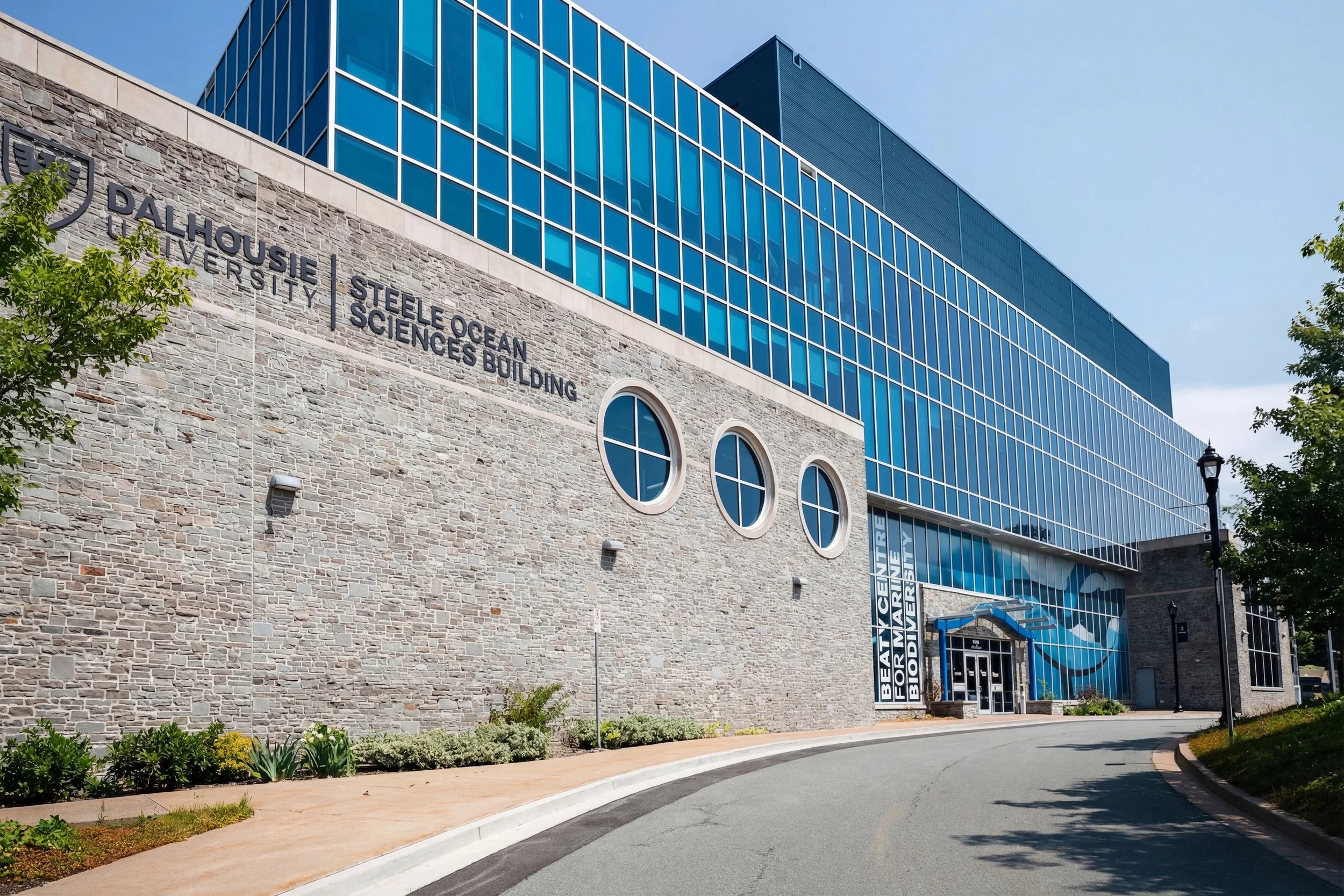
Dalhousie University - Beaty Marine Centre for Biodiversity


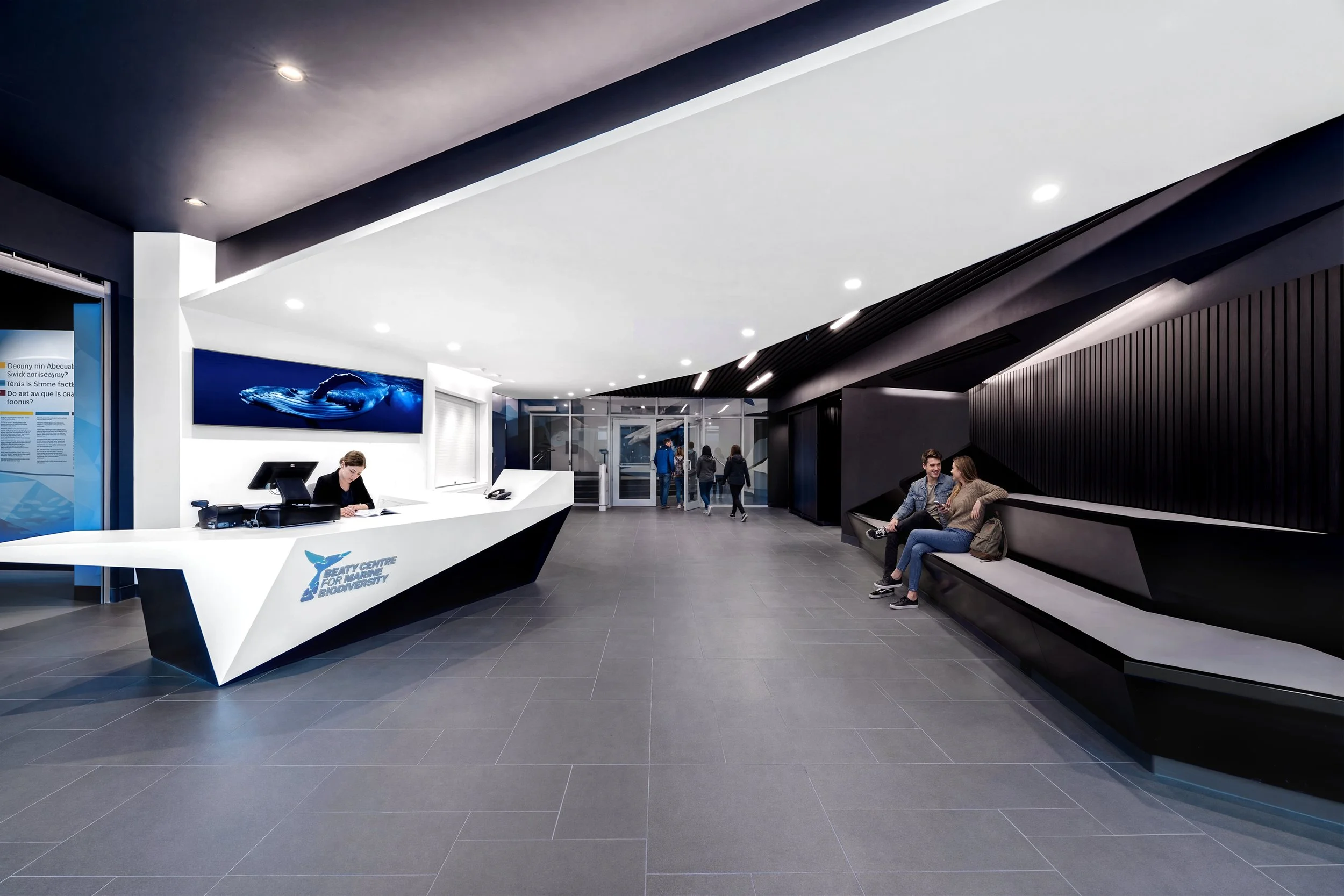
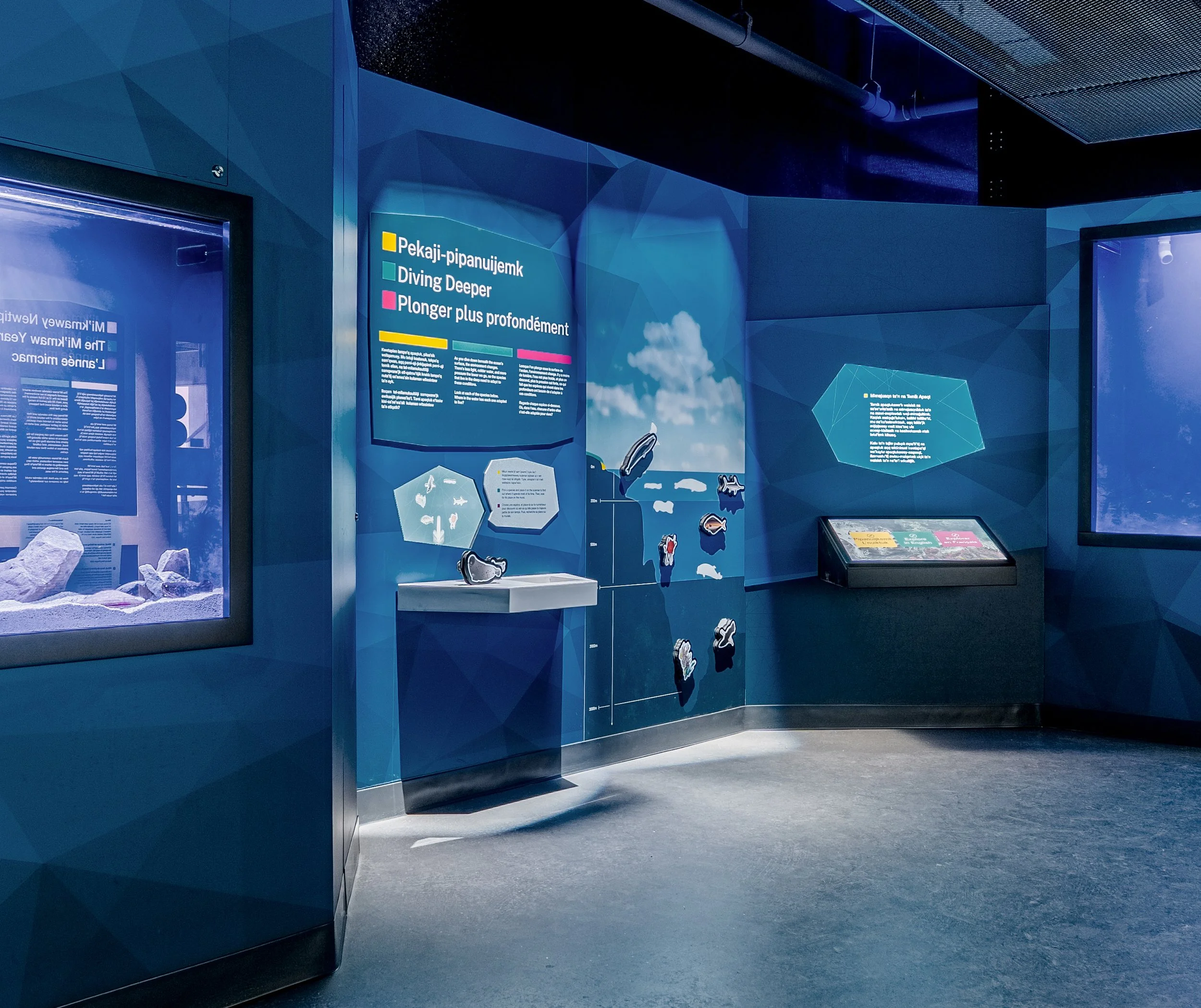
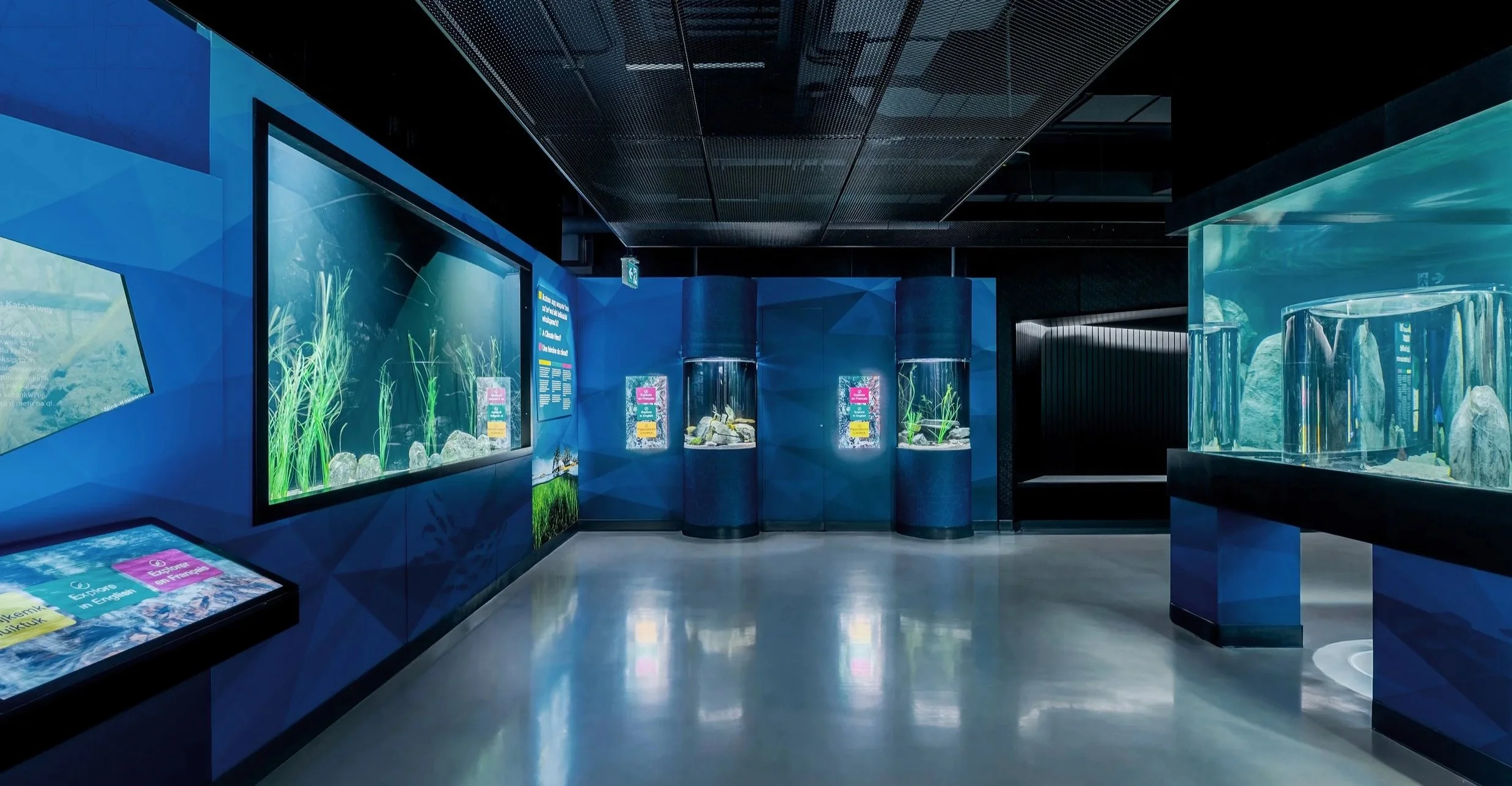
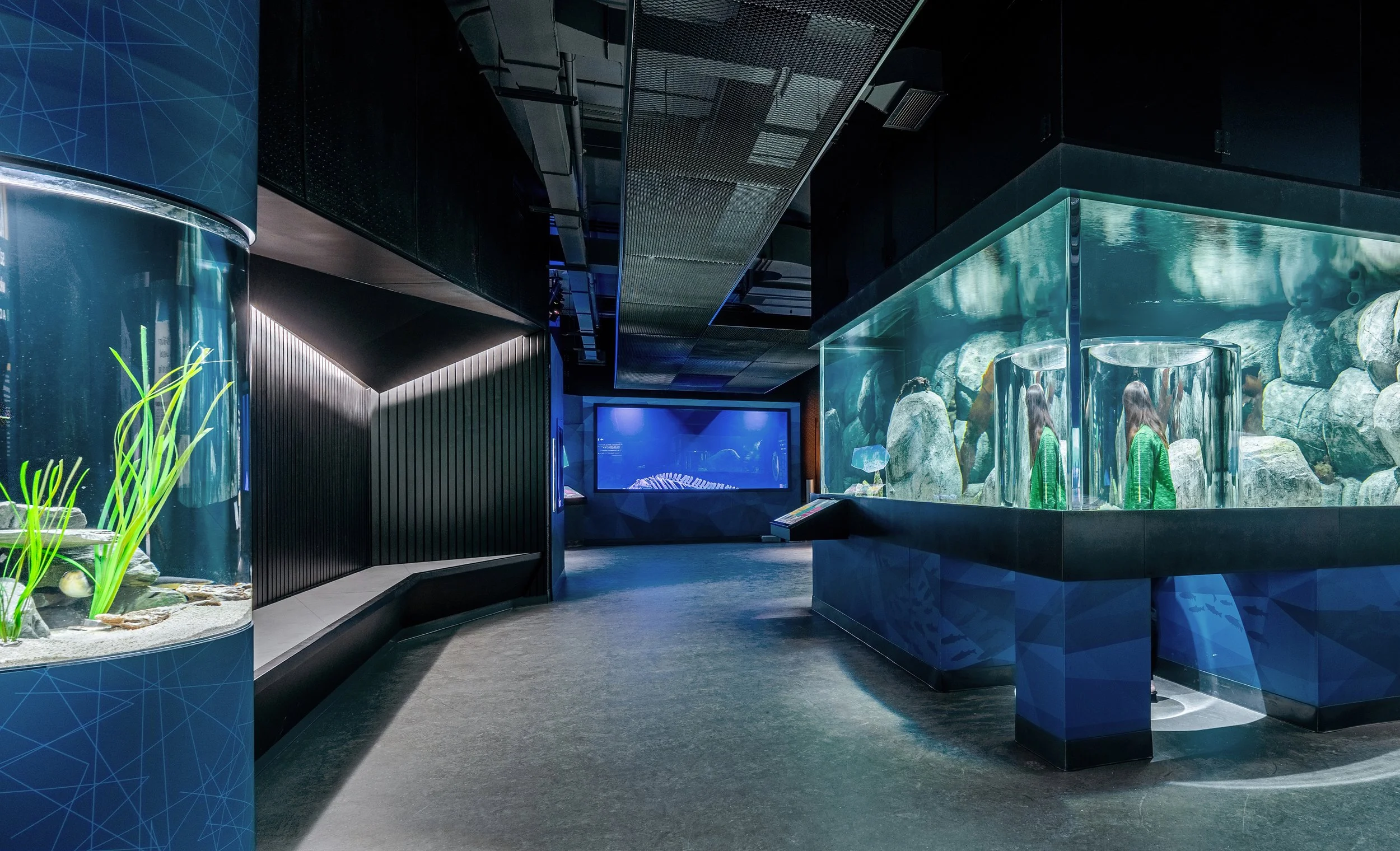
The Beaty Marine Centre in Halifax brings a new public dimension to Dalhousie University’s Steele Ocean Sciences Building, opening up a working research environment to visitors through a series of immersive, education-focused spaces. Designed as both a destination and a point of discovery, the project connects people directly to the science, systems, and living environments that define ocean research.


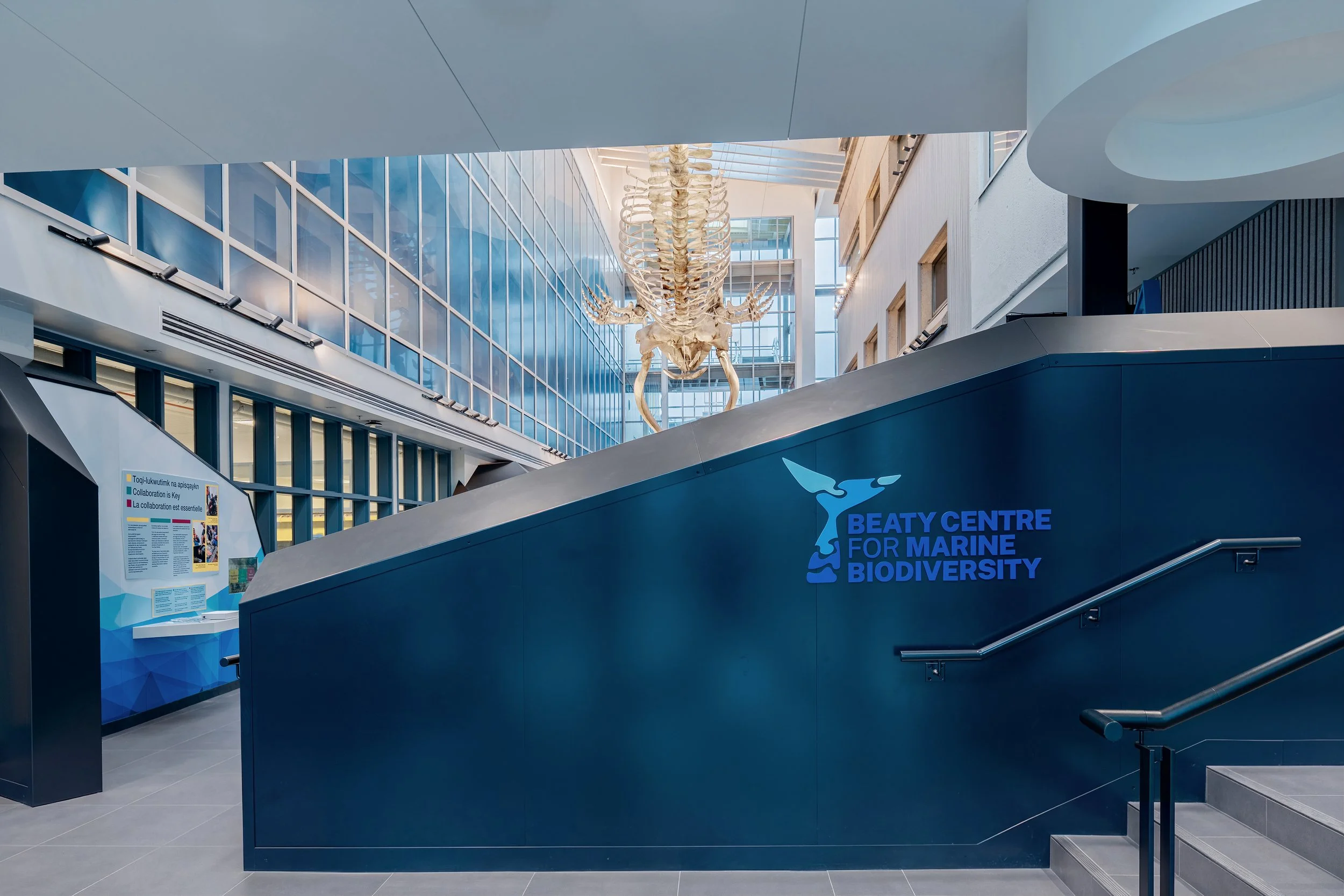
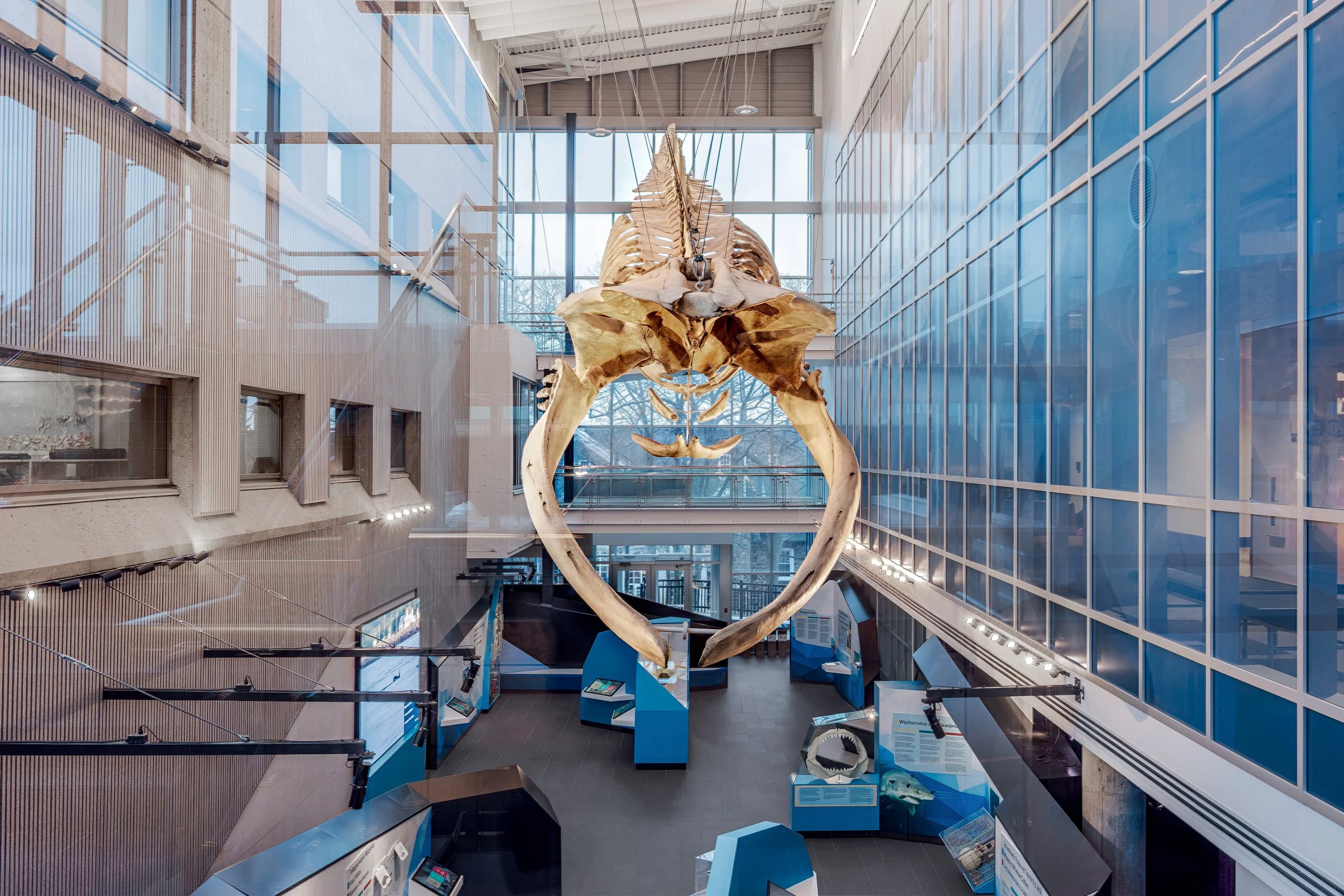
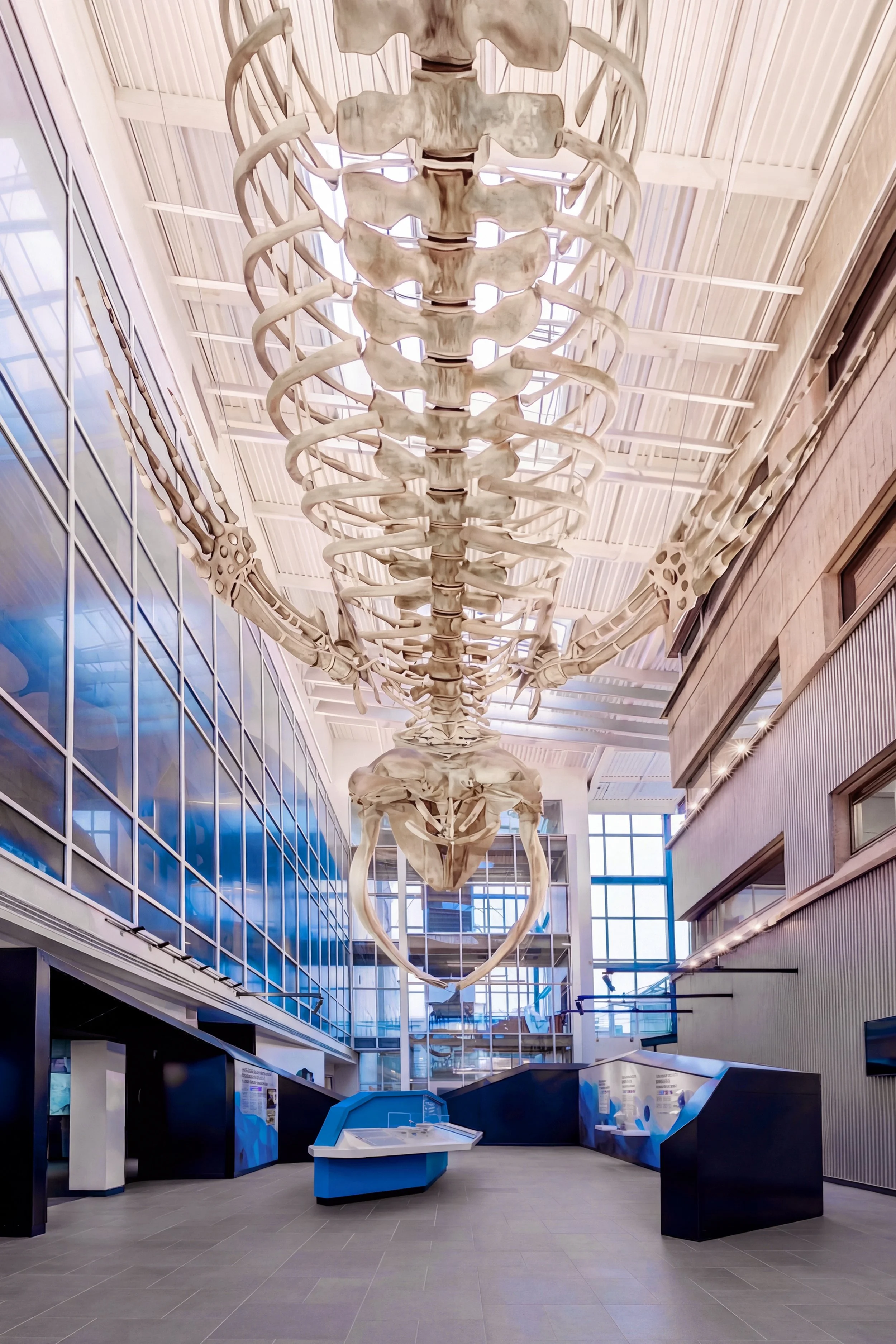
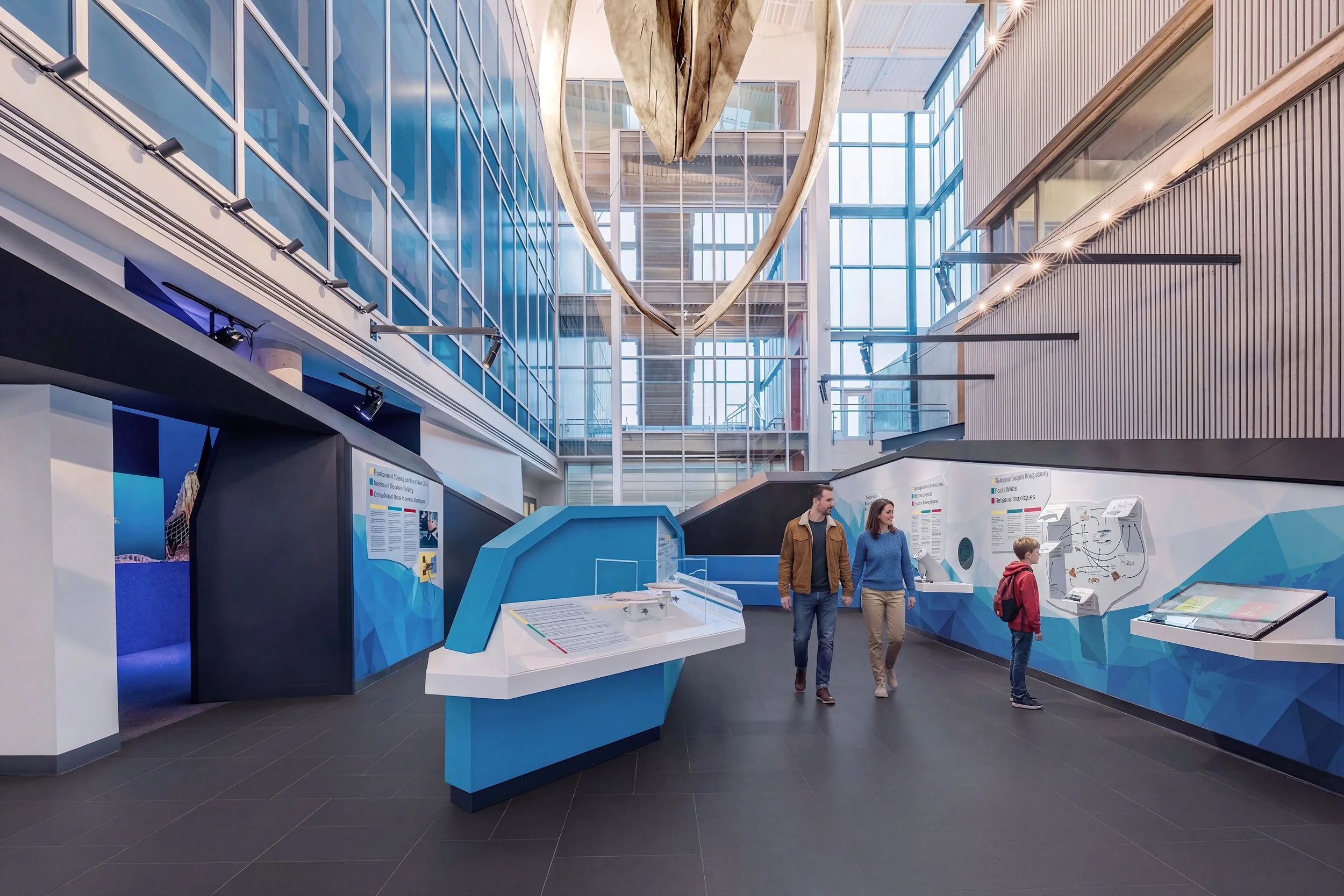
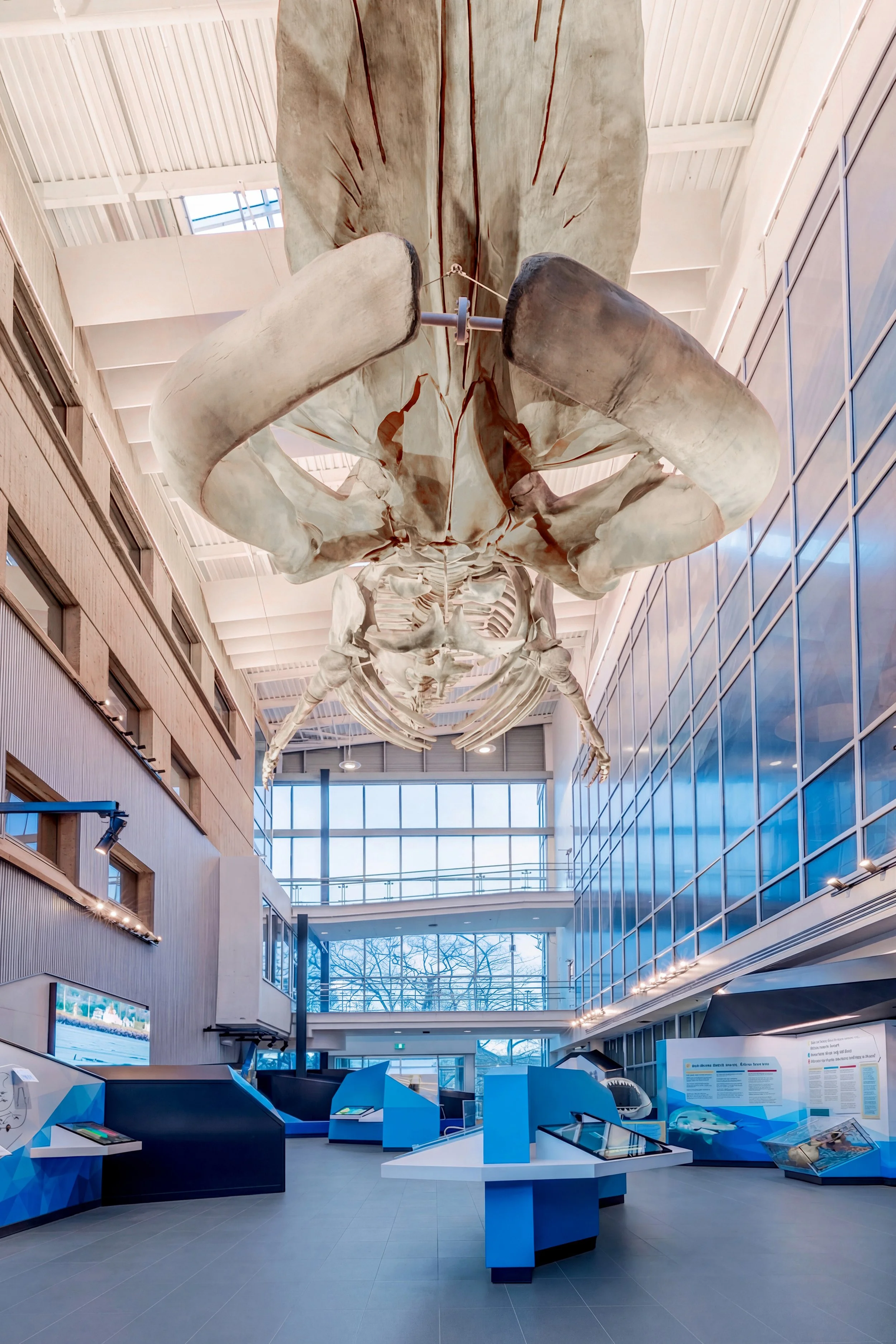
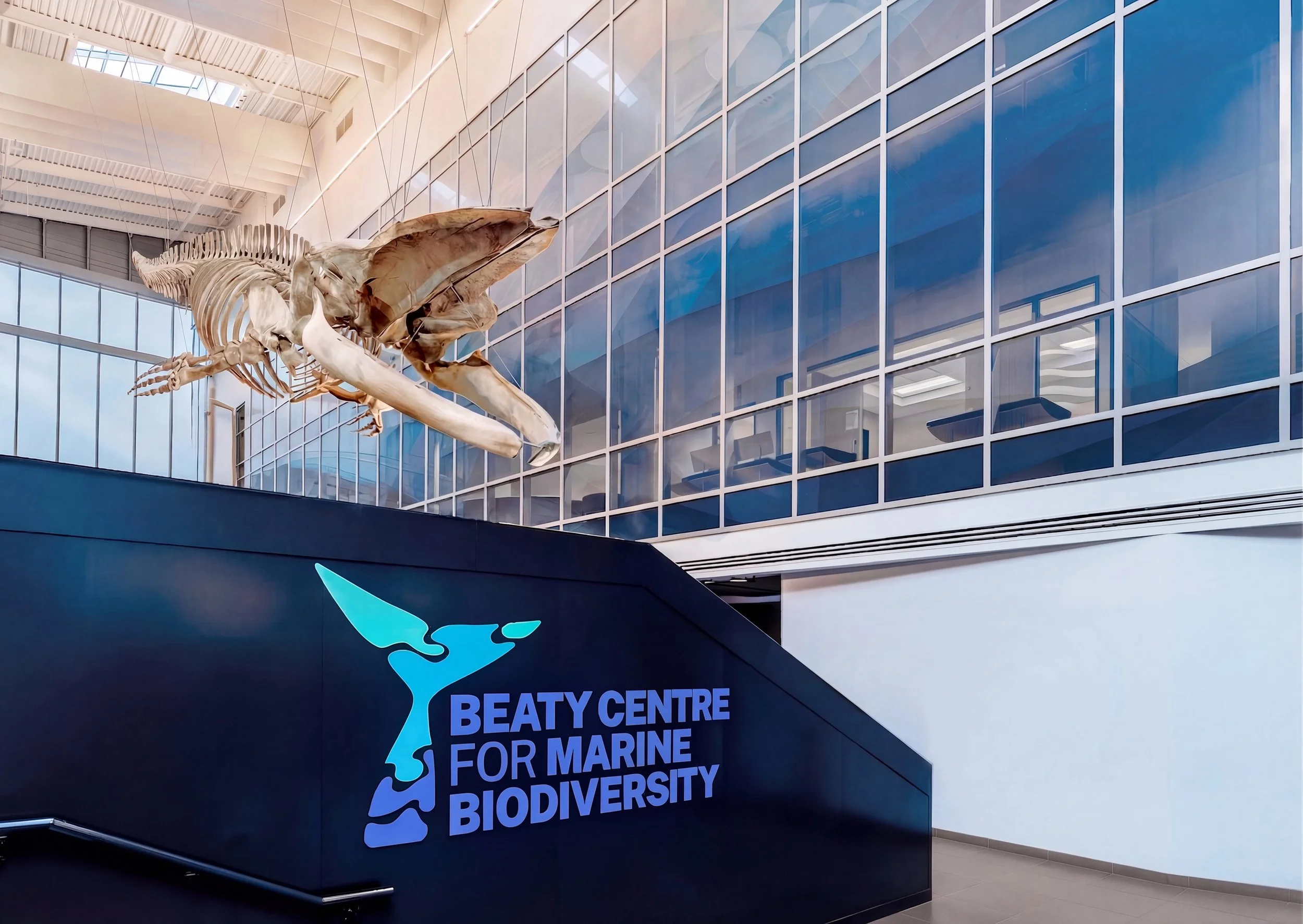
An 18-metre blue whale skeleton is suspended through the atrium of the Beaty Marine Centre, stretching across multiple levels and setting the scale for everything that follows. Around it, aquaria, exhibits, and research spill through the building, creating a museum that feels active, layered, and closely tied to the science it represents.

Across the project, exhibit design, circulation, and building systems are tightly integrated, allowing the museum to operate as both a public destination and an extension of the university’s research environment. Future connections to the Aquatron facility and a shared auditorium will continue to build on that relationship.
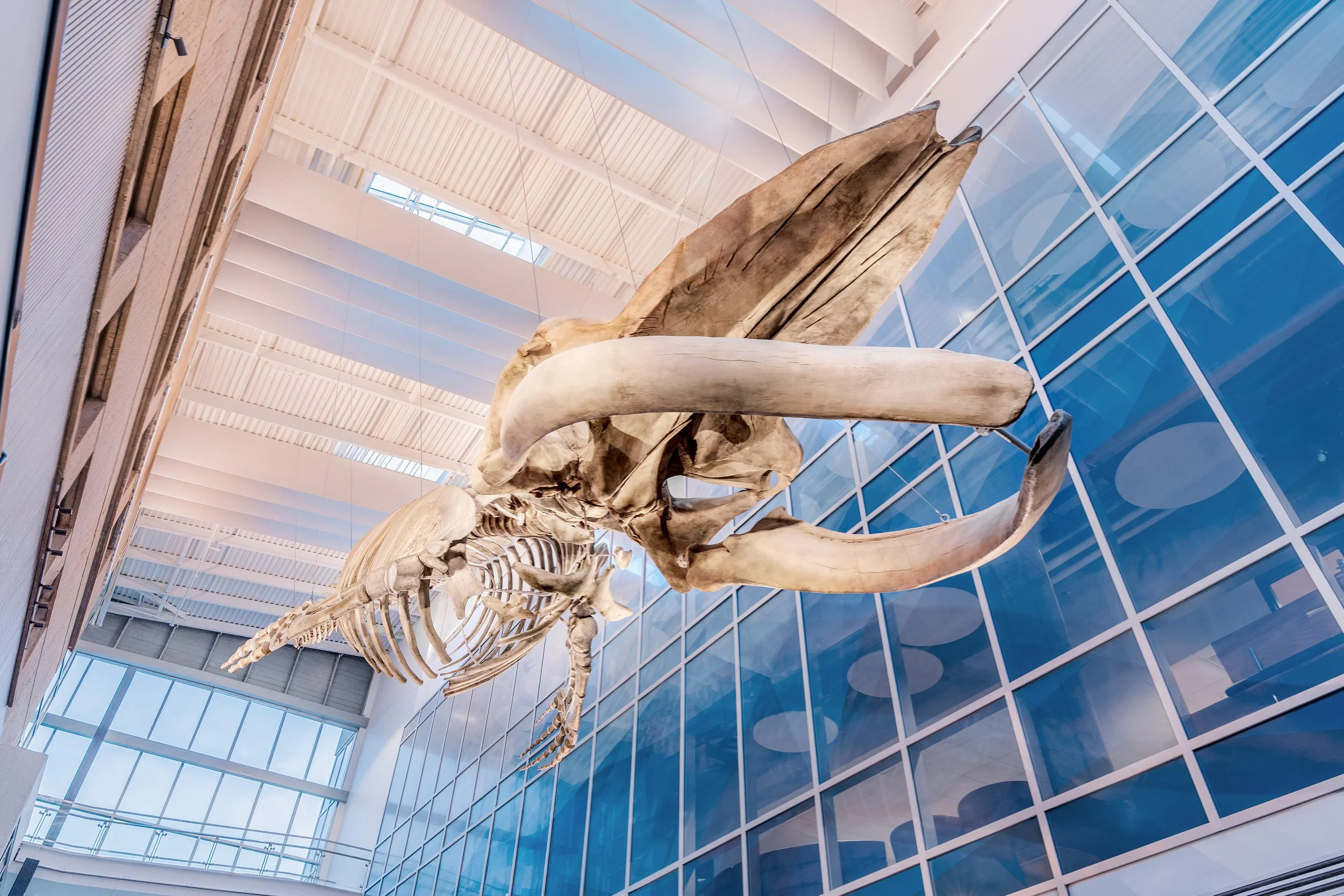



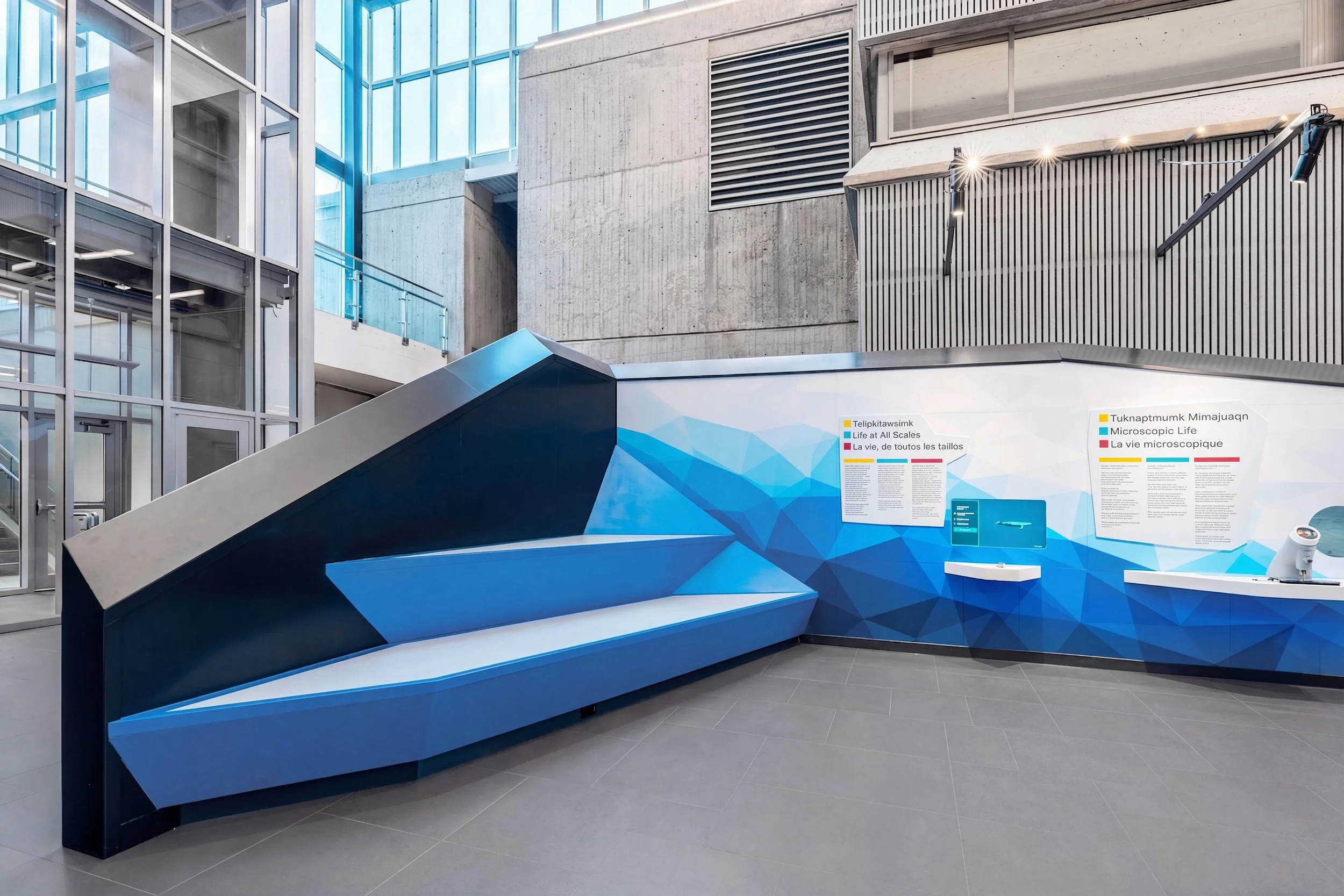
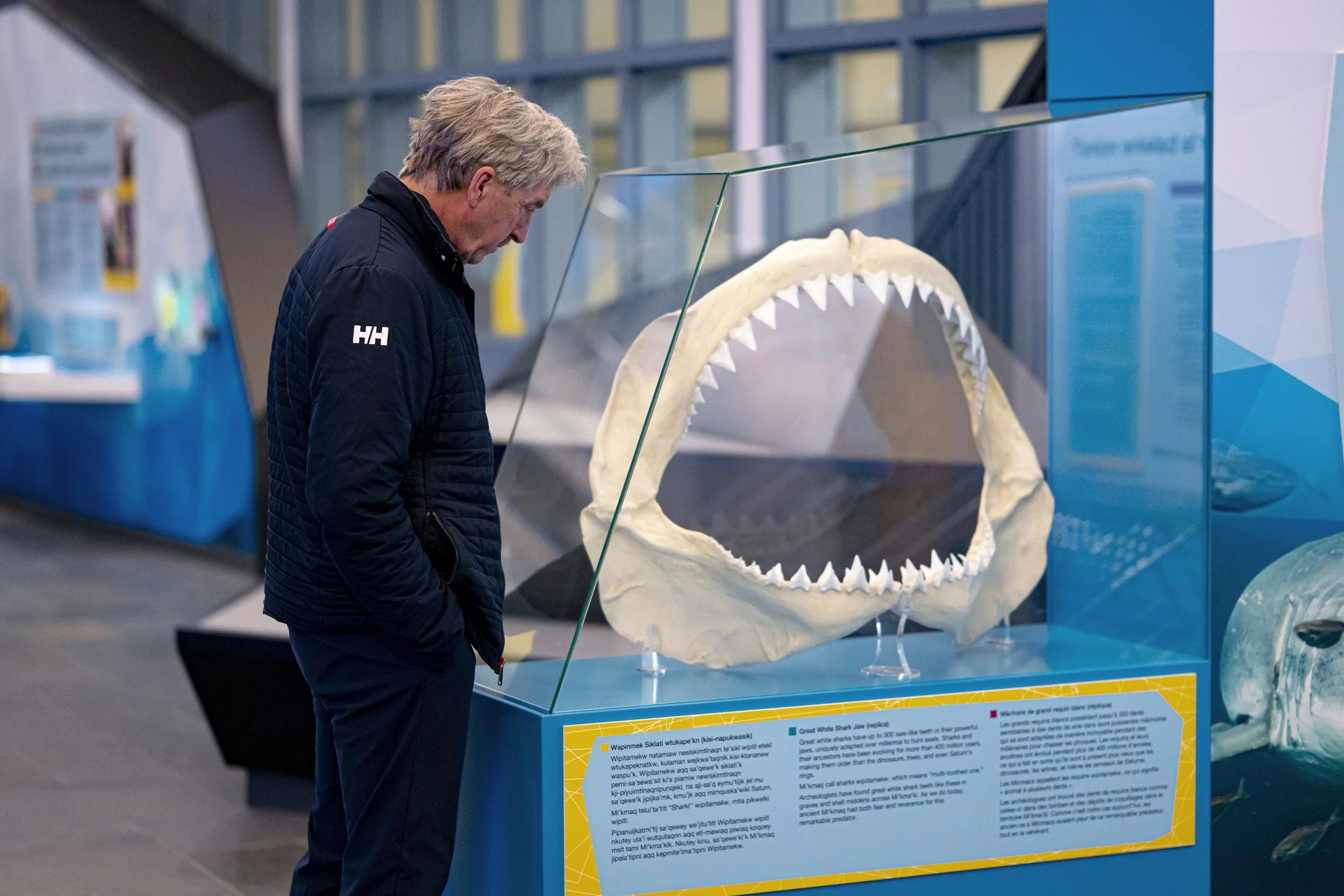
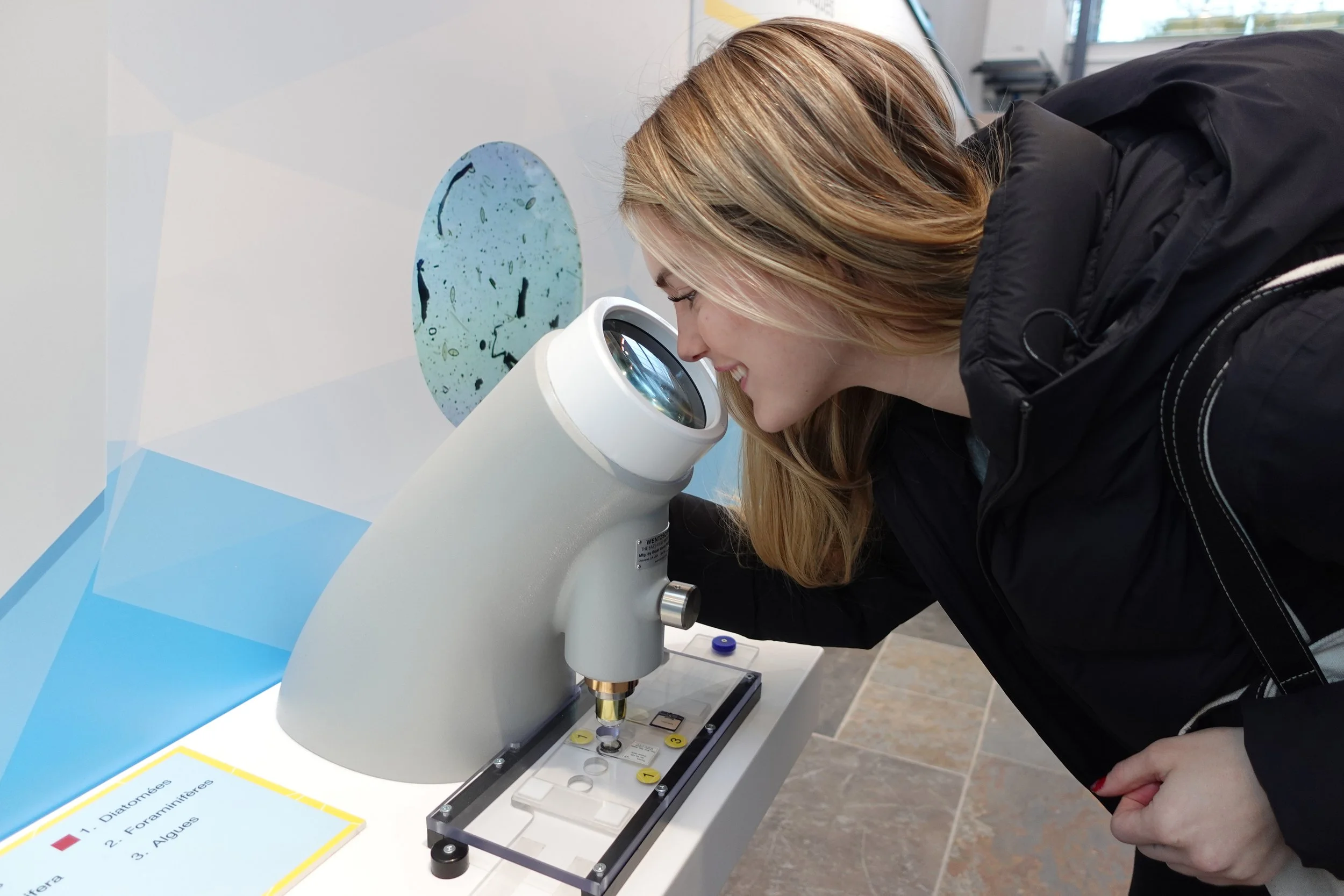
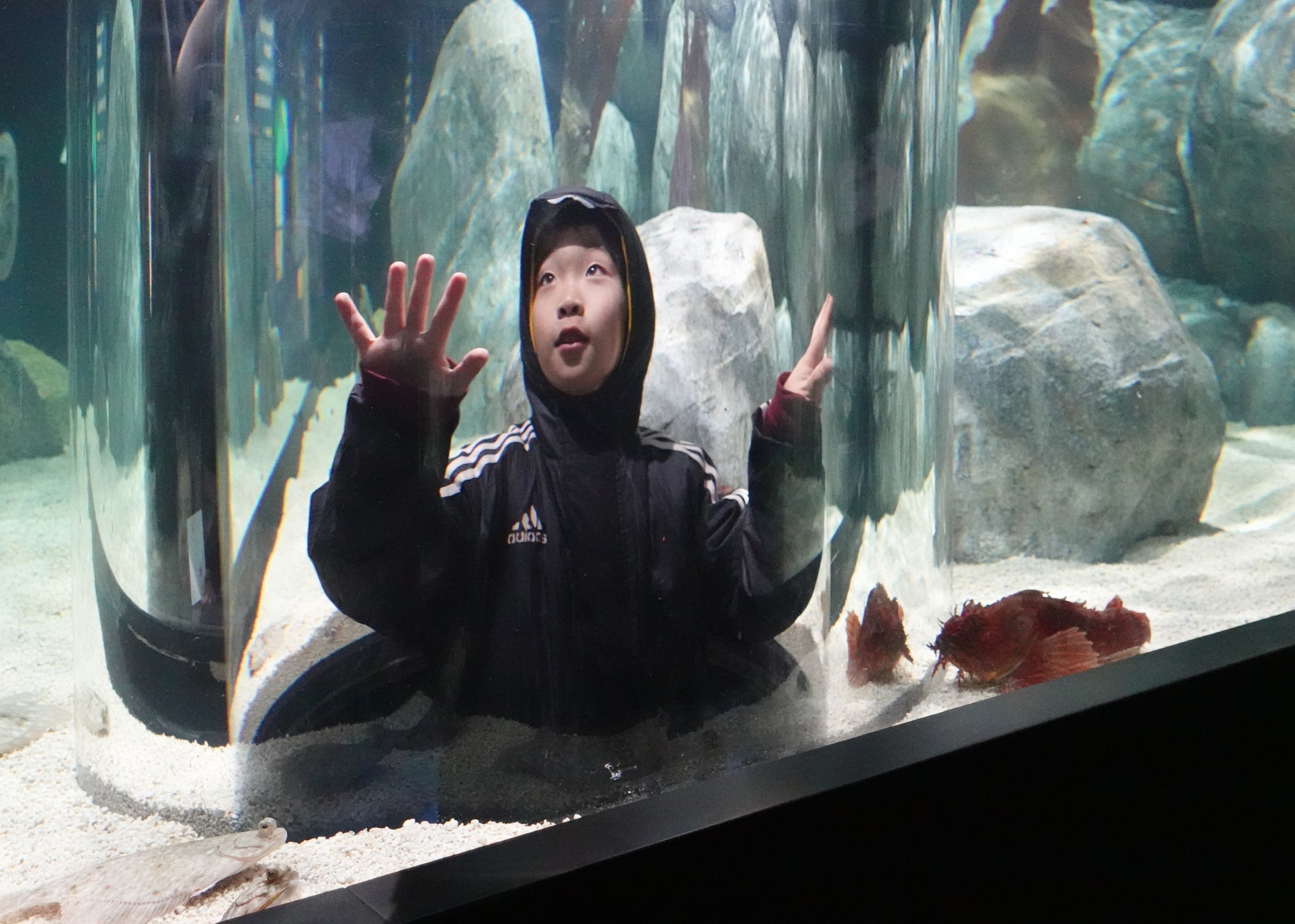
Visitors move through the space alongside students and researchers, with exhibits distributed throughout rather than confined to a single gallery. The experience unfolds gradually — glimpses into tanks, views back to the whale, and moments where the building opens up to reveal larger volumes of activity. It feels less like entering a museum and more like moving through a working environment that has been made visible.


Delivering this required working directly within an active academic building and aligning museum infrastructure with existing systems and research functions. A decommissioned concrete water tank was transformed into a new exhibit hall, involving structural modifications, new openings, and the integration of aquaria with specialized life-support systems.


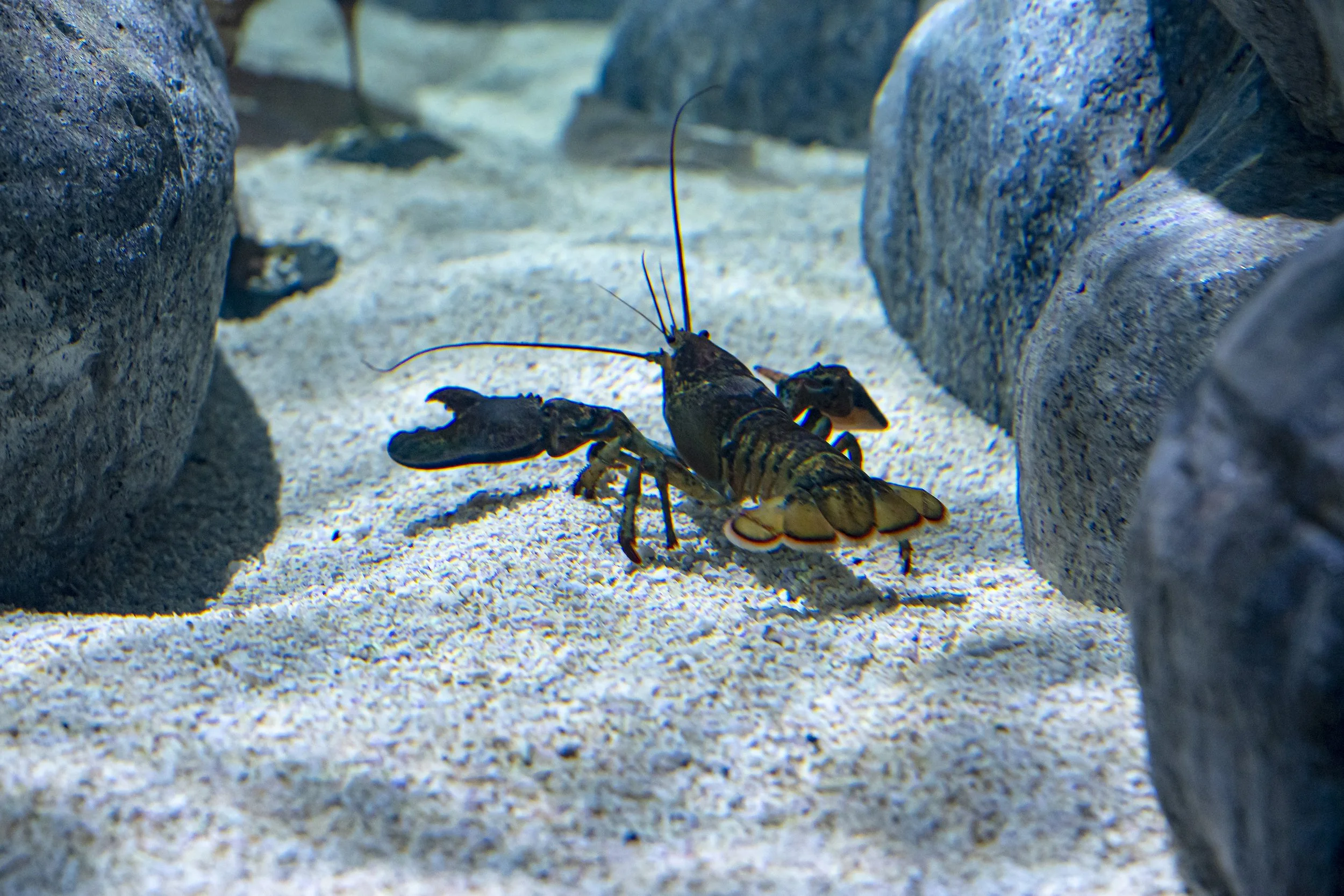
Tank types, sizes, and environmental requirements were developed in close collaboration with Dalhousie scientists to support a range of marine species while meeting long-term operational demands.


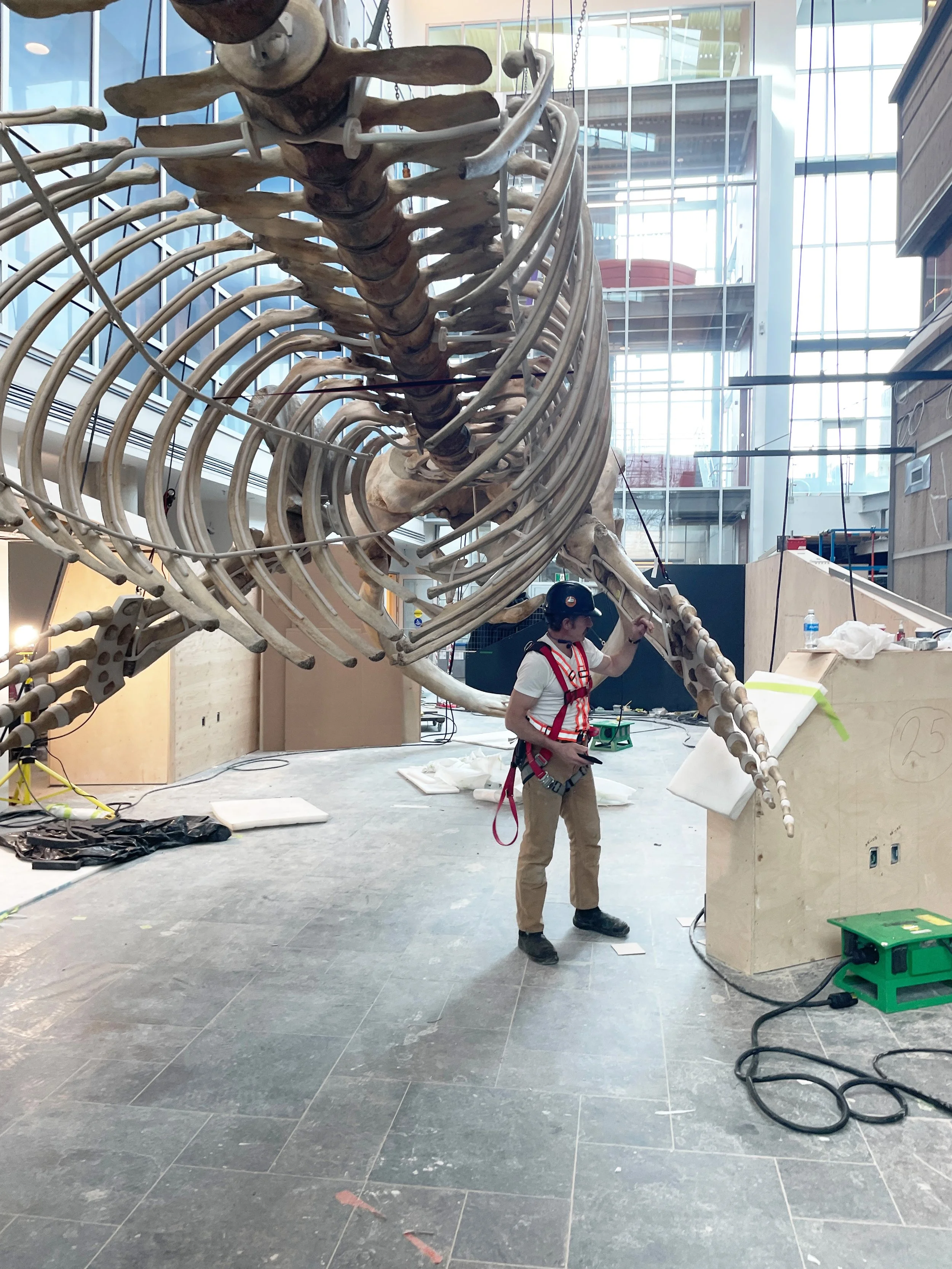
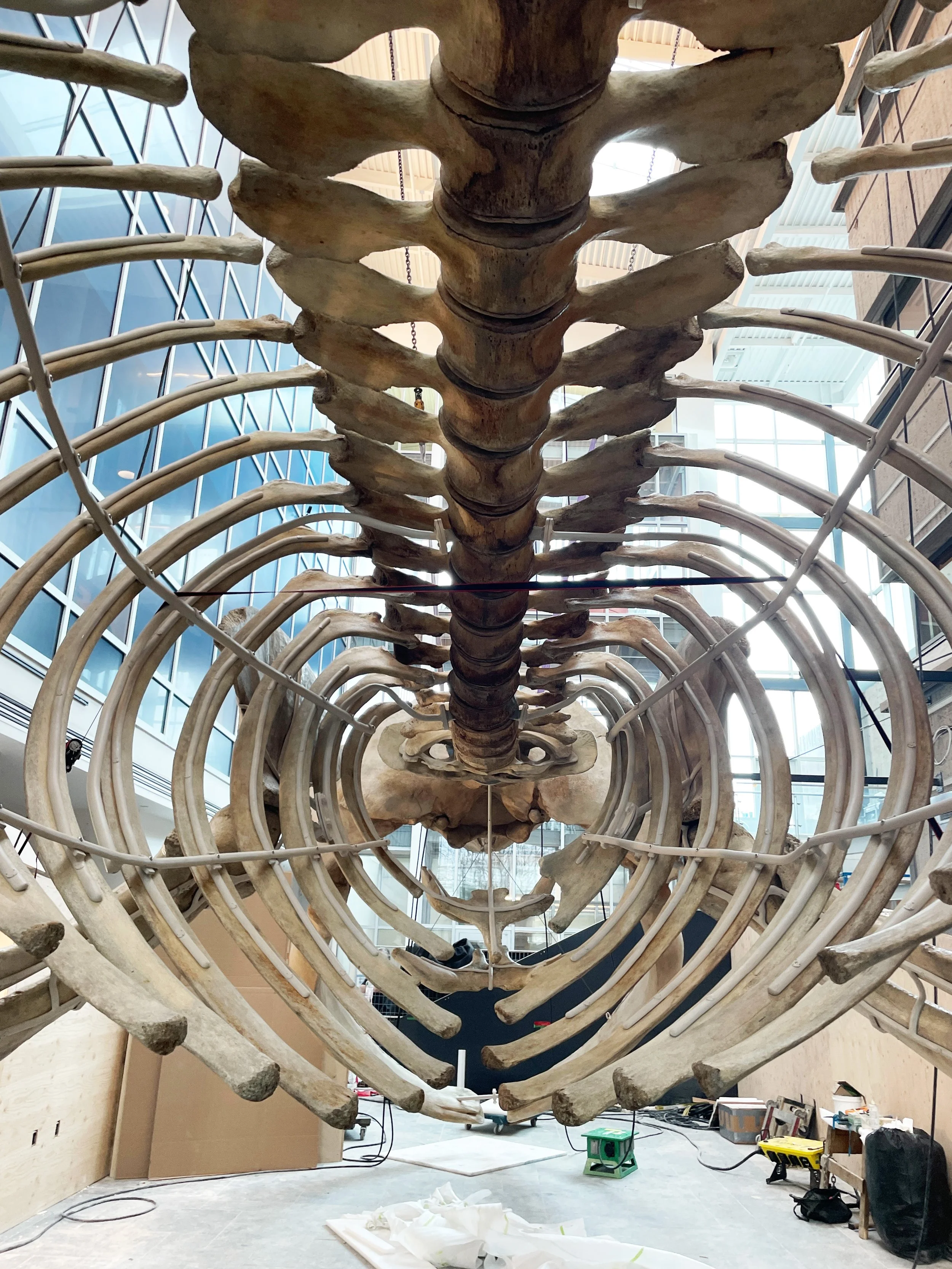
Assembled on the ground and hoisted up at once, the 70-80 ton juvenile whale was discovered on the shores of East Berlin NS in 2017. Weighing 5 tons, and 19 metres long, its skeleton was carefully washed and preserved by Research Casting, through funding from Beaty Foundation. The blue whale is the biggest species that ever lived.

The whale itself required a detailed coordination effort — from digital modelling and mounting design to the development of a suspension strategy that allows it to read clearly from multiple levels while working within the constraints of the existing structure.